



 Local:


 2026-11-19
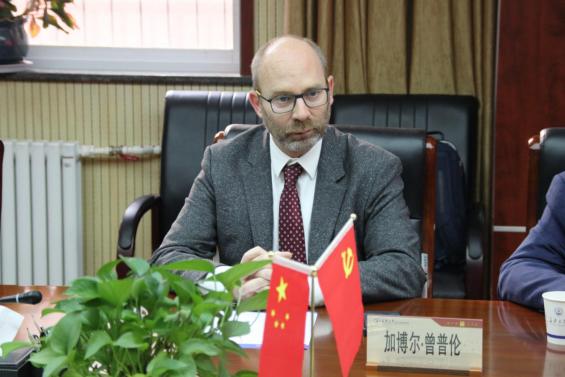
On the morning of November 12, the symposium on the construction of the demonstration base of the International Silk Road Alliance was held at the School of Economics and Management, Chang’an University. Professor Wang Zhongming, a distinguished professor of humanities and social sciences from Zhejiang University, and Professor Gábor Zemplén, Vice President of Eötvös Loránd University (ELTE) of Hungary, visited the school. They engaged in in-depth discussions on the progress of the demonstration base construction and cooperation plans among multiple universities, and held preliminary consultations on faculty and student exchanges, joint scientific research, and joint student training programs, so as to jointly promote the development of international Silk Road culture and academic cooperation. Zhou Zhenzhen, Deputy Director of the Office of International Cooperation and Exchange, Huang Xifeng, Party Secretary of the School of Economics and Management, Yang Wei, Vice Dean of the school, and other relevant personnel attended the meeting.
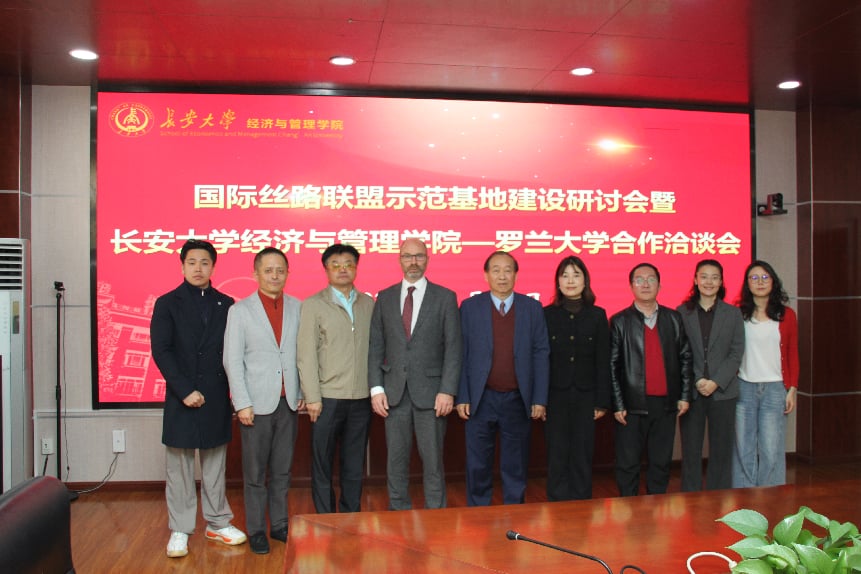
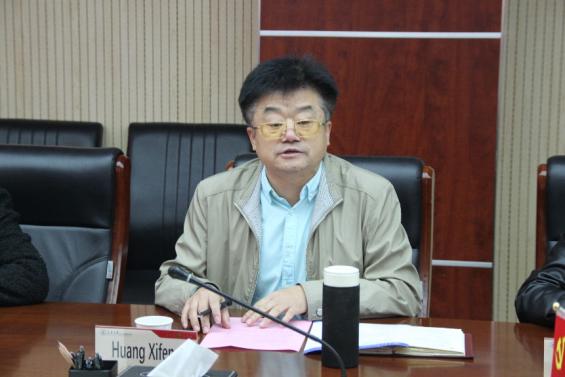
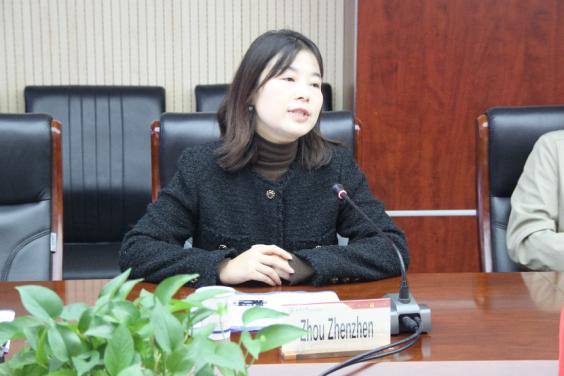
Huang Xifeng delivered a welcome address, extending a warm welcome to Professor Wang Zhongming and Vice President Gábor Zemplén on their visit. Zhou Zhenzhen introduced the basic profile of Chang’an University and the achievements and breakthroughs the university has made in international education. Yang Wei gave a detailed introduction to the school’s program offerings and talent cultivation, and delivered a special report on the progress of the rectification work for BGA accreditation.
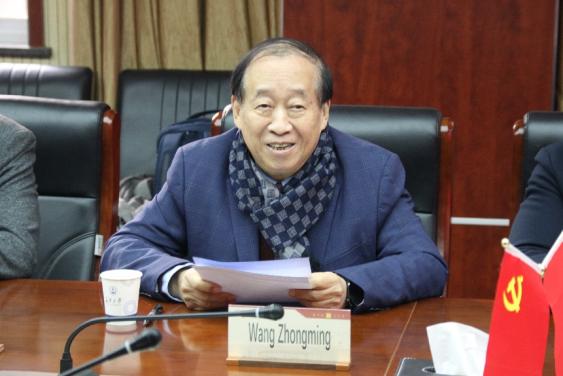
Professor Gábor Zemplén, Vice President of Eötvös Loránd University, introduced the university’s history, disciplinary strengths, and international development, expressing the hope that this visit would serve as an opportunity to further strengthen exchanges and cooperation with Chang’an University. Professor Wang Zhongming provided guidance on the school’s construction work. While affirming the progress of BGA accreditation, he offered suggestions and opinions on adjusting teaching content, innovating teaching methods, and continuously improving education quality against the backdrop of the rapid development of artificial intelligence.
The successful convening of this symposium has built a bridge for regular communication between the two sides, which will strongly promote deeper cooperation between the two universities in international education and teaching model innovation, facilitate the sharing of quality educational resources and mutual learning of experience, and lay a solid foundation for the follow-up implementation of relevant projects.


